 HFM
HFM
I evaluated the HFM Android application the same way I evaluate any execution environment: by measuring the gap between what the broker promises and what the infrastructure actually delivers. For a Kenyan trader, the critical numbers are the CMA licence status, the cost structure on the Zero account, and the speed of M-Pesa funding.
HFM operates in Kenya under a genuine local licence, CMA Kenya No. 155, as a non-dealing online forex broker. That places it in a small group of roughly ten CMA-licensed non-dealing brokers serving residents. The Nairobi office is not a marketing shell; it is the registered entity through which Kenyan clients are onboarded and supported.
The app itself is a mobile wrapper around the same infrastructure that powers the desktop platforms. Execution quality, spreads, and order routing are identical to MT4 and MT5. The mobile client matters for monitoring positions and managing risk, not for redefining execution parameters.
The Legal Status in Kenya
Retail forex and CFD trading is legal and regulated in Kenya under the Capital Markets (Online Foreign Exchange Trading) Regulations, 2017. Any entity offering these products to Kenyan residents must hold a CMA licence in one of three categories: dealing (market maker), non-dealing (STP/agency), or money manager.
HFM holds a non-dealing licence, which means the broker operates on a straight-through-processing model. Client orders are passed to liquidity providers rather than filled against the broker's own book. This structural detail matters because it removes a direct conflict of interest: the broker earns from commissions and spreads, not from client losses.
Licensed brokers in Kenya must maintain minimum paid-up capital of KES 50 million, segregate client funds from operational capital, cap leverage, and submit to regular CMA audits. The regulator also enforces AML oversight. The practical meaning: your funds sit in separate accounts, and the broker is subject to independent examination.
Cost Structure and Accounts
The HFM Android app gives you access to five account types: Cent, Zero, Pro, Premium, and Islamic (swap-free). Entry starts from approximately USD 5, which makes the platform accessible for testing strategies with minimal capital.
The Zero account is the one worth measuring. It offers raw spreads from 0.0 pips plus a commission of approximately USD 3 per lot per side. For a round turn (open and close), that is USD 6 per standard lot. The Premium account charges no commission but builds the cost into the spread, from 1.4 pips.
The cost comparison for a standard lot round turn:
| Account | Spread (USD/CAD) | Commission/Lot | Total Cost (approx.) |
|---|---|---|---|
| Zero | 0.0 pips raw | USD 3 per side | USD 6 per round turn |
| Premium | 1.4 pips | None | USD 14 per round turn |
| Pro | Variable, tight | None | Varies with liquidity |
| Cent | Higher spread | None | Ideal for micro-testing |
The choice between Zero and Premium is a volume decision. If you trade fewer than 10 lots per month and value predictable costs, the Premium account spreads are simpler to track. If you scalp or run algorithmic strategies with high frequency, the Zero account commission structure becomes cheaper at scale.
Funding via M-Pesa
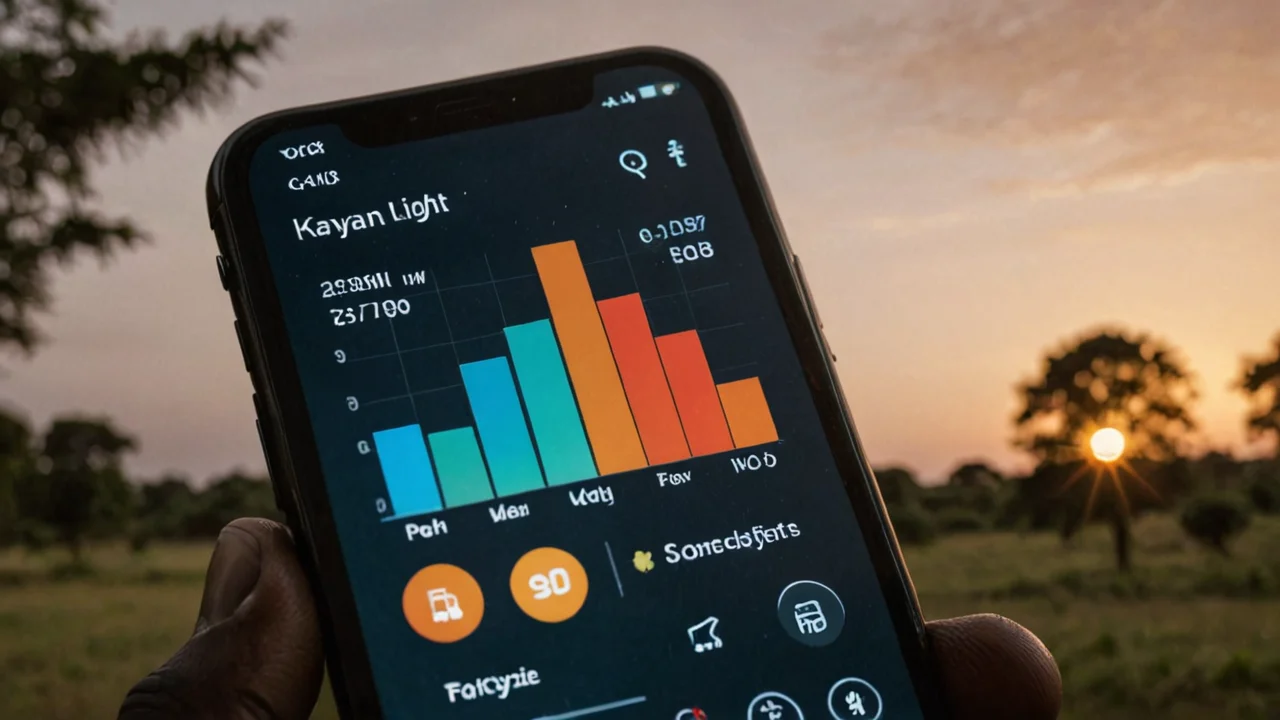
Kenya is a mobile-money-first market, and HFM has integrated accordingly. Deposits go through M-Pesa via iPay with a minimum of approximately KES 700. The deposits are instant. Withdrawals are processed in about 10 minutes.
The account base currency is USD. This triggers a conversion cost when you fund with KES. The M-Pesa exchange rate is set by the payment processor, not by HFM, so the conversion spread is outside the broker's control. The practical advice: batch larger deposits to reduce the percentage impact of the conversion spread.
M-Pesa per-transaction limits apply: KES 250,000 per transaction and KES 500,000 daily. For deposits above these thresholds, use local bank transfer. HFM charges no deposit or withdrawal fees on local methods, but your bank or M-Pesa may charge their own network fee.
Why the CMA Licence Matters
The single most important filter for a Kenyan trader is the CMA licence. Offshore brokers without local authorisation operate outside the law and offer no local recourse if a dispute arises. The CMA has repeatedly issued cautionary statements against unlicensed forex entities, and the regulator directs victims to the Capital Markets Fraud Investigation Unit.
Leverage is the second filter. CMA-licensed brokers cap retail leverage at approximately 1:400 for major FX pairs. Offshore operators advertise 1:1000 or higher. That higher number is not an advantage; it is a risk multiplier. At 1:400, a 0.25% adverse move wipes out the margin. At 1:1000, the same move destroys 62.5% of the margin.
HFM offers up to 1:2000 on offshore-linked accounts, but the Kenyan client entity operates under CMA terms. The account you open through the Kenyan entity is subject to local leverage limits.
Trading Instruments on Mobile
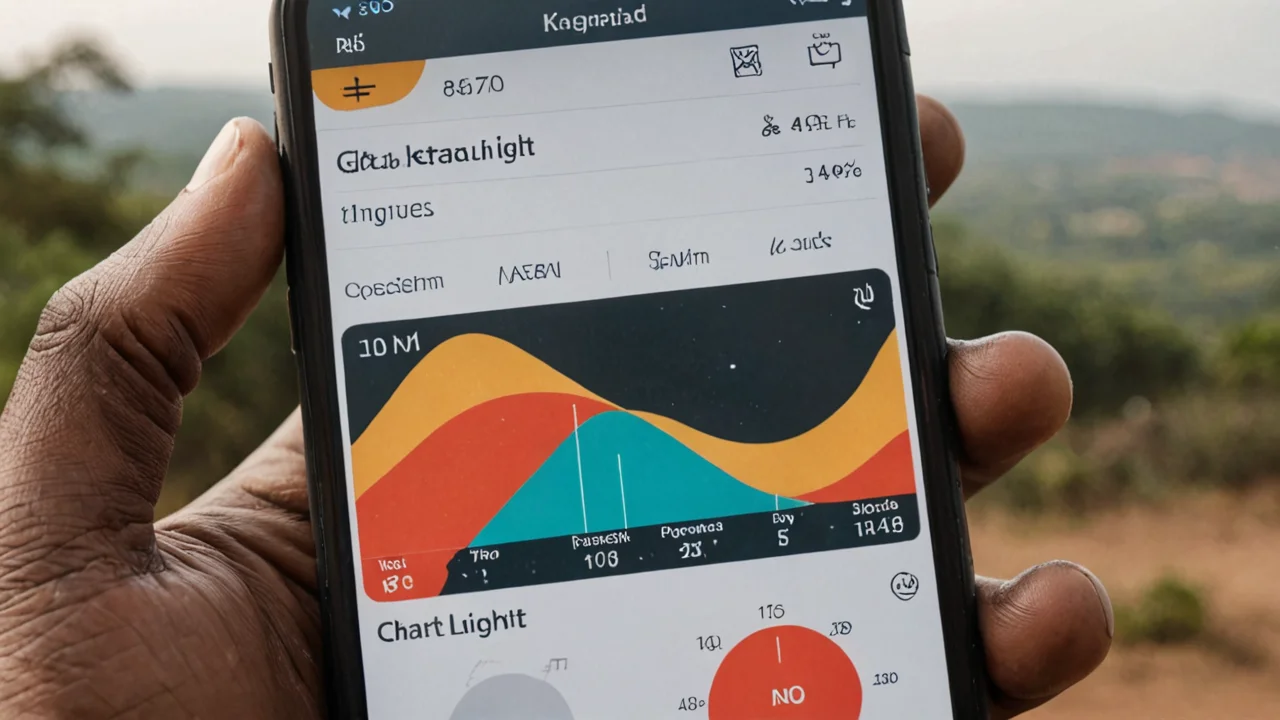
The HFM Android app supports MT4, MT5, and the proprietary HFM app. Instrument coverage exceeds 1000 CFDs across FX, metals, indices, shares, commodities, and crypto CFDs.
What the mobile client changes: you monitor open positions, set pending orders, and adjust stop-loss levels from anywhere. What it does not change: execution quality. The mobile app is not a separate venue with different spreads. It is a remote control for the same trading infrastructure.
| Asset Class | Examples | Typical Spread (Zero Account) |
|---|---|---|
| Major FX | USD/CAD, USD/CAD, USD/CAD | 0.0-0.2 pips raw |
| Metals | Gold, Silver | 0.5-1.0 pips |
| Indices | US30, GER40, UK100 | Variable, index-dependent |
| Crypto CFDs | BTC, ETH | 10-25 pips |
One caveat about crypto CFDs: these are synthetic products tied to the underlying asset price, not the actual coins. You cannot withdraw Bitcoin from the account. The position is settled in the account currency. This structure avoids the separate regulatory burden of crypto exchanges in Kenya.
Regulatory safety net gaps
Negative balance protection is stated by HFM for the Kenyan entity, but the broader statutory basis is not fully confirmed. The CMA has not issued a blanket mandate requiring all brokers to provide it. Verify the specific terms in the account agreement you sign, particularly the liability clause for negative balances during volatile market gaps.
The USD account denomination adds friction. Every KES deposit and withdrawal passes through a conversion with a spread. Over months of frequent small deposits, this cost compounds. Limits on M-Pesa transaction sizes also mean larger positions require bank transfers, which are slower than the mobile-money instant path.
The FCA clone-firm warning applies to the HFM brand generally. Unlicensed entities have used the HFM name to solicit funds. This is not a mark against the licensed broker, but it is a reason to verify the official website and the CMA licence number before depositing.
Is the HFM App Worth It?
The HFM Android app delivers what the platform promises: transparent costs, local funding via M-Pesa, and CMA-regulated execution. For Kenyan traders, the combination of a genuine local licence and instant mobile-money deposits is rare in the market.
A good fit for:
Traders who want a locally regulated broker with M-Pesa integration, who trade actively enough to benefit from the Zero account commission structure, and who prefer the flexibility of MT4/MT5 on mobile. The KES 700 minimum deposit makes it low-risk to test the infrastructure.
A poor fit for:
Traders seeking maximum leverage without understanding margin math, those who want a KES-denominated account to avoid conversion spreads, and institutional traders needing deep liquidity beyond retail CFD size limits.
What to Remember in Six Months
The leverage cap, the M-Pesa limits, and the USD conversion cost are structural facts, not temporary conditions. Recalculate your cost per lot after a few months of trading to confirm the Zero account actually beats the Premium account at your volume.
The CMA register at licensees.cma.or.ke is your periodic audit tool. Check it when the broker changes its name, when you see a new website, or when you receive marketing from a similar brand. The forex industry has a pattern of rebranding; HFM itself was formerly HotForex. A name change does not invalidate the licence, but it is a trigger to re-verify.
Tax treatment for forex profits in Kenya follows the graduated bands, roughly 10% up to a top marginal rate of 35%. Trading through a company changes the rate to 30%. File the annual return between 1 January and 30 June, and keep trading-related deductions documented.

